


Discover simple back-to-school pet routines that can ease separation anxiety, reduce stress, and help your dog or cat adjust as summer ends.
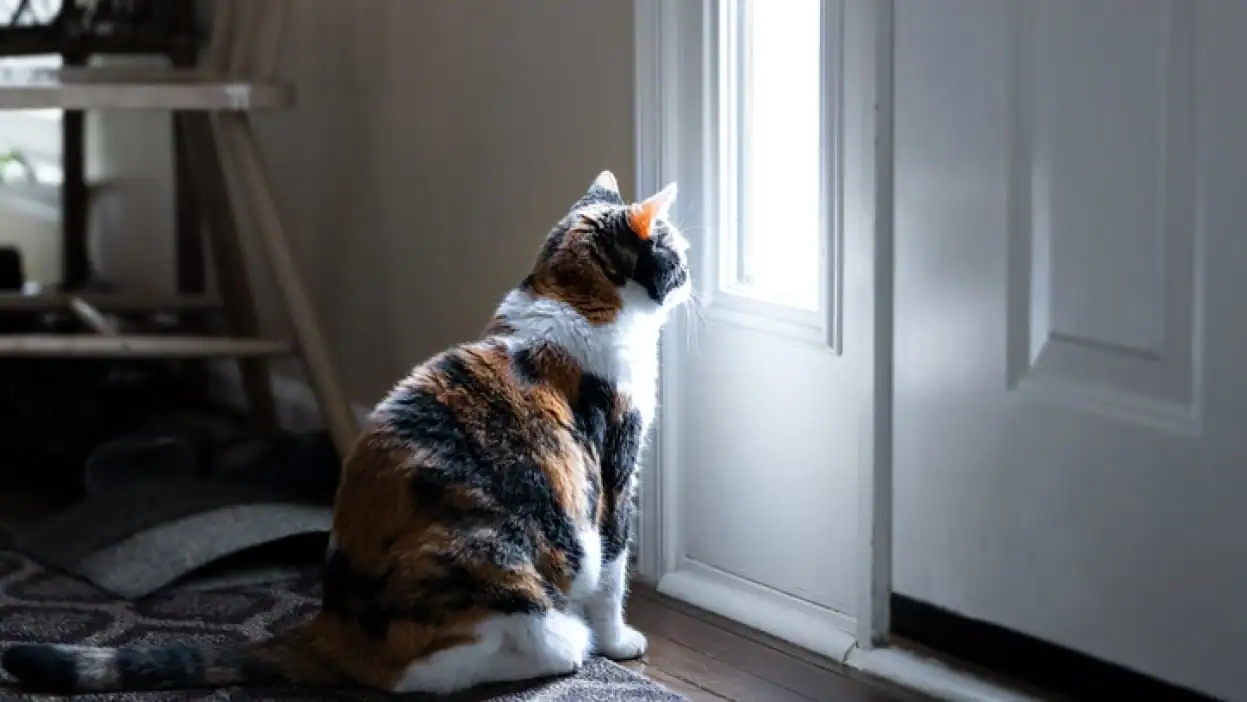
Pets thrive on routines. Sudden changes in daily schedules can lead to boredom, stress, or even separation anxiety. When children return to school and households go quiet during the day, dogs often feel lonely and anxious. Cats, particularly those with a history of trauma, may show signs of distress such as trembling or loss of appetite.
The back to school season calls for gradual schedule adjustments, consistent engagement during school hours, and thoughtful pet safety measures. This guide covers practical back to school pet tips — from morning exercise routines to creating comfortable spaces — so pets stay content and healthy throughout the school year.
Key Takeaways
The back-to-school transition affects pet wellbeing directly. Proper preparation and consistent routines go a long way in helping dogs and cats settle into the new school-year schedule.
- Start early with gradual adjustments: Shift feeding times and sleep schedules, and practice short departures at least 2-3 weeks before school starts to ease the transition.
- Mental stimulation prevents anxiety: Puzzle feeders, interactive toys, and morning exercise keep pets engaged during school hours and reduce separation-related behaviors.
- School supplies pose serious risks: Backpacks, lunch boxes, and school items should stay out of reach — xylitol, medications, and common supplies can cause poisoning or blockages.
- Most pets adapt within 2-4 weeks: Patience and consistency in daily routines help the majority of dogs and cats adjust successfully to new school-year schedules.
- Watch for behavioral warning signs: Excessive barking, destructive chewing, house accidents, or withdrawal signal that a pet is struggling and may need additional support or professional help.
Predictable routines, adequate exercise, and a safe environment are the cornerstones of keeping pets content and healthy when household dynamics shift with the school year.
Understanding How Back to School Affects Your Pet
Summer brings near-constant companionship for pets. Vacations, work-from-home arrangements, and kids off school mean houses rarely sit empty for long. Then school starts. Parents return to work, kids leave early and don’t return for hours. For pets who haven’t been gradually taught independence, this shift can be jarring.
Signs Your Pet is Struggling with the Transition
Behavioral changes often surface within the first hour of being left alone, though some pets remain affected for the entire duration of your absence. Pacing or panting while you prepare to leave signals distress. Dogs may ignore food, drool excessively, or engage in destructive chewing near doors and windows. House accidents are common, as stress can trigger inappropriate elimination even in housetrained pets.
Vocal protests show up as excessive barking, whining, or feline yowling. Appetite changes are equally telling — some pets pick at favorite treats while others stress-eat everything available. Sleep disruptions occur, with dogs pacing at night and cats wandering restlessly. Physical symptoms can include vomiting, diarrhea, or sudden skin problems like itching and hot spots. Withdrawal behavior, where pets hide in quiet corners or isolate themselves, is equally concerning.
Why Routine Changes Impact Dogs and Cats Differently
Dogs lack a concept of time, making abrupt schedule changes particularly challenging. Disrupted daily routines worsen all forms of anxiety and exacerbate problems such as urinary marking, separation anxiety, and cognitive dysfunction in elderly dogs. Dogs derive great comfort when human family members are present, and without that presence, some simply cannot cope. An estimated 17 percent of dogs suffer from separation anxiety.
Cats typically show distress when owners leave for multiple days rather than daily departures. Both species, however, experience the world through patterns and presence — measuring time in meals, walks, and interaction sessions rather than calendar dates.
The Timeline for Adjustment
Most dogs adjust to new routines within 2-4 weeks with patience and consistency. The adjustment period varies based on individual temperament and previous experiences. Senior dogs depend on fixed routines more than younger pets, while adult dogs tend to adapt slowly with deeper emotional impacts during the process.
Preparing Your Pet Before School Starts
Preparation works best when started at least two weeks before school begins. Pets acclimate far better when adjustments happen gradually, well ahead of simultaneous household changes.
Start Adjusting Sleep and Feeding Schedules Early
Shift feeding times by 15-30 minutes every few days until the new schedule is established. Small, incremental changes are far easier on digestive systems than abrupt one-hour shifts. Regular mealtimes support healthy digestion, maintain steady energy levels, and build the predictability pets depend on during periods of change. Earlier school mornings mean setting alarms and running through the new morning routine at least three weeks in advance. Bathroom breaks should be adjusted alongside mealtimes, staggered to match what the school-year schedule will actually look like.
Practice Short Departures and Arrivals
Start leaving your pet alone for short periods, beginning with 20-30 minutes for pets unaccustomed to solitude. Increase the duration gradually as comfort with each interval is demonstrated. Returning home calmly — without excited greetings or immediate affection — helps prevent anticipation anxiety from building during absences. A puzzle toy or treat offered at departure creates a positive association with the moment of leaving. The final days before school call for practicing the full morning sequence — walk, bathroom break, breakfast, then departure — in the exact order pets will experience it each school day.
Morning Exercise: Setting Up Your Pet for Success
A brisk morning walk before everyone leaves makes a real difference. Even 15 minutes of focused activity helps pets burn energy and stay relaxed throughout the day. Cats benefit from climbing trees, tunnels, and indoor movement activities. Training sessions or puzzle feeders incorporated into breakfast add mental exercise, which proves equally valuable for keeping pets settled during school hours.
Creating a Comfortable Safe Space
A dedicated area with a comfortable bed in a quiet part of the home gives pets a reliable retreat. Favorite toys and chew items stocked in this space offer both comfort and entertainment. Pheromone diffusers or calming music designed specifically for pets add another layer of support for anxious animals.
Essential Back to School Pet Tips for Daily Routines
“Busy humans and happy pets can absolutely go hand in hand with the right routine and support.” — Sunbury Veterinary Clinic, Veterinary Clinic
Keeping pets mentally stimulated and physically comfortable during school hours takes thoughtful daily planning.
Keep Your Pet Entertained During School Hours
Mental stimulation prevents boredom-driven behaviors like destructive chewing or excessive barking. Dogs and cats are naturally designed to spend hours working for their food — providing meals in a bowl removes that purpose entirely. Window perches give cats access to outdoor activity without leaving home, while automated toys offer entertainment throughout the day without supervision. Rotating toys weekly maintains novelty and keeps interest levels high.
Interactive Toys and Puzzle Feeders
Puzzle feeders require pets to use their paws or noses to open compartments and navigate mazes before earning food. Starting with easy puzzles and high-value treats builds confidence, then complexity increases as each level is mastered. Stuffed toys frozen overnight extend morning activity well into the school day. These tools actively combat boredom and support pets managing separation anxiety.
When to Consider Pet Sitters or Doggy Daycare
Pet sitters provide companionship, exercise, and meaningful breaks from solitude during school hours. Doggy daycare offers supervised group play, structured activities, and trained staff dedicated to each pet’s safety. Dr. Carol Osborne offers traditional veterinary care for dogs and cats with a softer, natural touch, and is currently accepting new patients. Click Here to Schedule an Appointment or call (440) 247-5901.
Managing Bathroom Breaks and Litter Box Access
Adult dogs need bathroom breaks every 6-8 hours. Puppies require more frequent outings — generally one hour per month of age serves as a reliable guideline. Cats need daily litter box cleaning, particularly when left alone for extended periods.
Back to School Pet Safety: Protecting Pets from Common Hazards
“Household toxins are more common and more dangerous than many pet owners realize.” — Dublin Veterinary Hospital, Veterinary Clinic
Each fall, the ASPCA Poison Control sees a surge of back-to-school-related pet poisonings. Kids’ backpacks and lunchboxes are frequent culprits. Children drop their belongings on the floor after school, creating irresistible targets for curious dogs and cats.
Keeping Backpacks and School Supplies Out of Reach
Backpacks left on floors or near doors pose significant risks. Some dogs excel at unzipping backpacks and helping themselves to the contents. School supplies — pencils, pens, erasers, and glue sticks — can cause choking or intestinal blockages. Glues harden and expand in the GI tract, potentially requiring surgery. Wall hooks or closed doors are the safest storage solutions for persistent pets.
Lunch Box Items That Are Toxic to Pets
Xylitol in sugar-free gum and candies causes low blood sugar, seizures, liver failure, or death. Grapes, raisins, macadamia nuts, chocolate, and onions are equally hazardous. ADHD medications, albuterol inhalers, and over-the-counter pain relievers can be toxic[232]. Cold packs contain ethylene glycol or ammonium nitrate. Plastic snack bags pose a suffocation risk if pets get their heads stuck inside.
Teaching Kids to Store Items Safely
Designate specific areas in the home for backpacks and lunchboxes that pets cannot access. Empty lunch boxes promptly at school or immediately upon returning home. Cut or tear plastic bags before disposal, and use pet-inaccessible trash cans.
Conclusion
Back-to-school transitions don’t have to stress your pets. Start adjusting routines at least two weeks early, provide mental stimulation through puzzle feeders, and keep school supplies safely stored away from curious noses. Most pets adapt within 2-4 weeks when you maintain consistency. Give your pet the best of both worlds with professional support! Dr. Carol Osborne is accepting new dog and cat patients, so click here to schedule an appointment or call us at (440) 247-5901 today for premium veterinary care with a soft, natural touch.
FAQs
Q1. How long does it take for pets to adjust to back-to-school routines? Most pets adjust to new back-to-school routines within 2-4 weeks with patience and consistency. The adjustment period varies based on individual temperament, previous experiences, and age. Senior pets typically need more time and fixed routines compared to younger animals, while adult pets may experience deeper emotional impacts during the transition.
Q2. What are the signs that my pet is struggling with the back-to-school transition? Common signs include pacing, panting, excessive barking or whining, destructive chewing near doors and windows, house accidents despite being housetrained, and changes in appetite. Physical symptoms may include vomiting, diarrhea, or skin problems. Some pets may also withdraw and hide in quiet corners or show signs of distress when you prepare to leave.
Q3. When should I start preparing my pet for the back-to-school schedule change? Begin preparing your pet at least two weeks before school starts. This advance timing allows pets to acclimate gradually without added stress. Start adjusting feeding times by 15-30 minutes every few days, practice short departures, and shift morning routines to match the new school schedule at least three weeks in advance.
Q4. What common school supplies are dangerous for pets? Backpacks and lunch boxes contain several hazards including xylitol in sugar-free gum, chocolate, grapes, raisins, and macadamia nuts. School supplies like pencils, pens, erasers, and glue sticks can cause choking or intestinal blockages. ADHD medications, inhalers, and over-the-counter pain relievers are also toxic. Plastic snack bags pose suffocation risks.
Q5. How can I keep my pet entertained during school hours? Provide puzzle feeders that make pets work for their food, rotate toys throughout the week to maintain novelty, and set up window perches for cats to watch outdoor activity. Consider automated toys for unsupervised entertainment, freeze stuffed toys overnight for longer-lasting activities, and ensure morning exercise before everyone leaves to help pets burn energy and feel relaxed.