

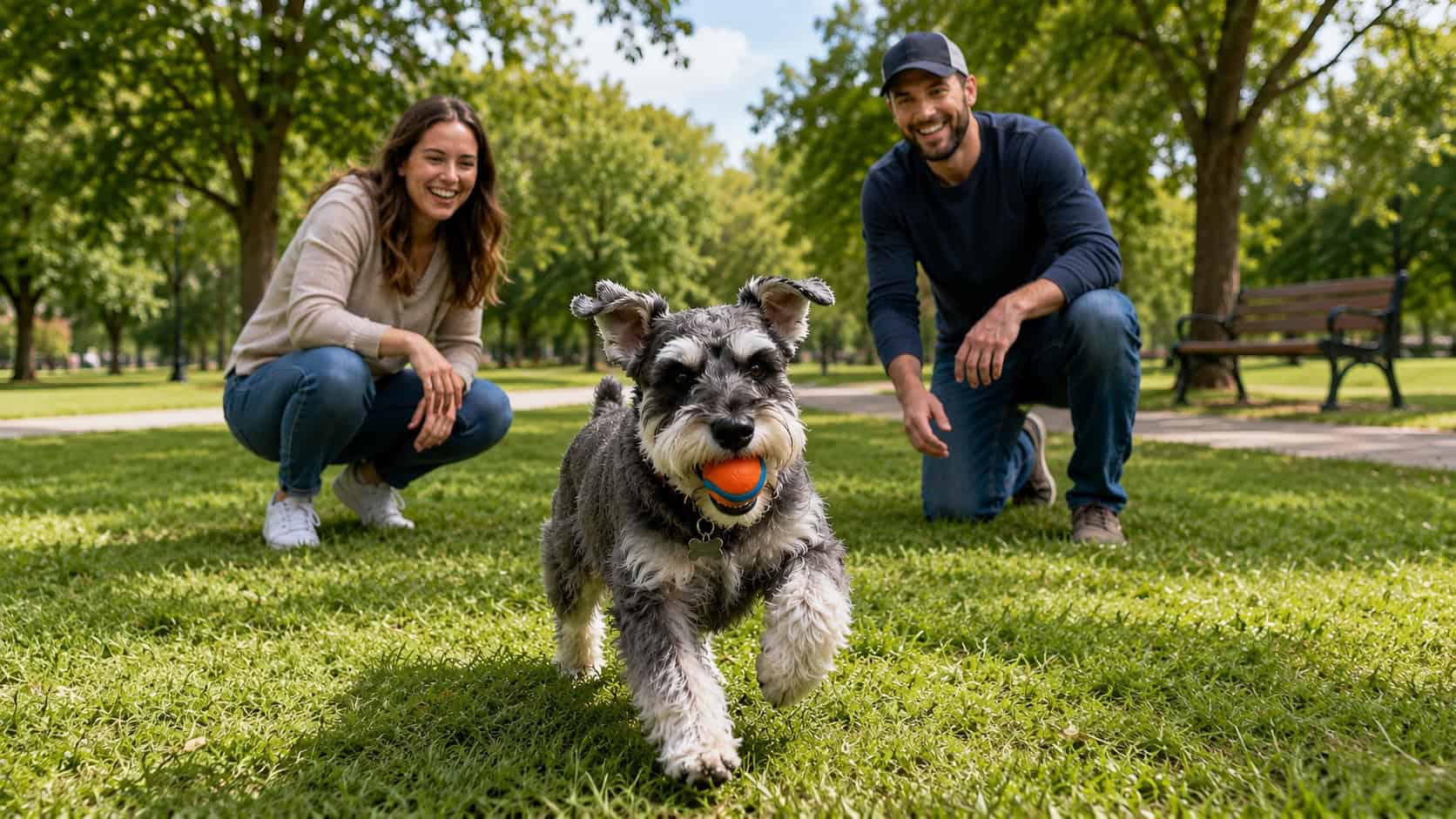
The Miniature Schnauzer is one of the world’s most popular small dog breeds, celebrated for its intelligence, spirited personality, and distinctive bearded face. Originally bred as a hardworking farm dog, today’s Miniature Schnauzer is equally at home patrolling the backyard, mastering obedience training, or cuddling with family on the couch. Their friendly nature, keen intelligence, and adaptable size make them an excellent choice for a wide variety of households.
Whether you’re considering bringing home your first Miniature Schnauzer or already share your life with one of these energetic companions, understanding their unique needs is essential. In this comprehensive guide, you’ll learn about the breed’s history, temperament, health concerns, grooming requirements, nutrition, and expert veterinary care to help your Miniature Schnauzer enjoy a long, healthy, and active life.
Breed Traits & Characteristics
The Miniature Schnauzer is a sturdy, compact dog standing approximately 12–14 inches tall and weighing between 11–20 pounds. Easily recognized by their bushy eyebrows, distinctive beard, and wiry double coat, Miniature Schnauzers have an alert, confident appearance that reflects their lively personality.
Their coat comes in several recognized colors, including:
- Salt and Pepper
- Black
- Black and Silver
Originally bred as ratters and farm dogs, Miniature Schnauzers retain their keen intelligence, athleticism, and strong prey drive while making affectionate family companions.
Breed History
The Miniature Schnauzer originated in Germany during the late 19th century. Breeders developed the breed by crossing the Standard Schnauzer with smaller breeds such as the Affenpinscher and Miniature Poodle to create an efficient farm dog capable of controlling rodents while remaining compact enough for family life.
Over time, their intelligence, loyalty, and charming personality helped them transition from hardworking farm dogs to beloved companion animals. Today, the Miniature Schnauzer consistently ranks among the most popular dog breeds worldwide.
Personality & Temperament
Miniature Schnauzers are intelligent, affectionate, and full of personality. They love being involved in family activities and are known for their outgoing, confident demeanor.
Typical personality traits include:
- Highly intelligent
- Alert and watchful
- Friendly and affectionate
- Energetic and playful
- Curious and fearless
Although they make excellent watchdogs, Miniature Schnauzers are generally friendly toward people when properly socialized.
Family Life
Miniature Schnauzers thrive in family environments and typically do well with children, seniors, and other pets. Their adaptable size makes them equally comfortable in apartments, suburban homes, or rural settings, provided they receive enough exercise and mental stimulation.
Because they form close bonds with their families, they enjoy participating in everyday activities and may become bored or anxious if left alone for extended periods.
Caring for the Breed
Miniature Schnauzers require regular grooming, daily exercise, mental enrichment, and preventive veterinary care. They are generally hardy dogs but benefit from structured routines and consistent training.
Owners should focus on:
- Maintaining a healthy weight
- Providing regular exercise
- Scheduling routine wellness exams
- Supporting dental health
- Keeping their minds challenged with training and games
Their intelligence means they thrive when given jobs or activities to do.
Common Health Issues
Miniature Schnauzers are generally healthy but may be predisposed to certain inherited conditions, including:
- Pancreatitis
- Hyperlipidemia (high blood fat levels)
- Diabetes mellitus
- Bladder stones (urolithiasis)
- Cataracts
- Progressive Retinal Atrophy (PRA)
- Liver shunts
- Dental disease
Routine bloodwork, preventive screenings, and maintaining a healthy body weight can significantly reduce the risk of many of these conditions.
Grooming Tips
The Miniature Schnauzer’s wiry double coat requires consistent maintenance. Brush several times each week to prevent mats and tangles.
Additional grooming includes:
- Professional grooming or hand stripping every 6–8 weeks
- Beard cleaning after meals
- Ear cleaning
- Nail trimming
- Regular tooth brushing
Although they shed very little, their coat requires more maintenance than many short-haired breeds.
Exercise & Activity Levels
Miniature Schnauzers are energetic dogs that typically require 45–60 minutes of daily exercise.
They enjoy:
- Daily walks
- Interactive play
- Agility
- Obedience training
- Puzzle toys
- Scent games
Mental stimulation is just as important as physical activity to prevent boredom-related behaviors.
Training & Nutrition Tips
Training
Miniature Schnauzers are eager learners who excel with positive reinforcement training. They enjoy learning new commands and tricks and often perform exceptionally well in obedience and canine sports.
Early socialization helps minimize excessive barking and encourages confidence around unfamiliar people and animals.
Nutrition Tips
Feed a high-quality diet formulated for small, active breeds. Because Miniature Schnauzers have an increased risk of pancreatitis and elevated blood fats, diets should avoid excessive fat unless otherwise directed by your veterinarian.
Portion control, healthy treats, and maintaining an ideal body weight are important for long-term health.
Is the Breed Right for You?
The Miniature Schnauzer is an excellent choice for active individuals, families, and seniors looking for an intelligent, affectionate companion. They adapt well to apartment living but still require regular exercise and mental stimulation.
They may be an ideal breed if you want:
- A small but sturdy companion
- An intelligent, trainable dog
- A low-shedding breed
- An affectionate family pet
- An alert watchdog
However, prospective owners should be prepared for regular grooming and consistent training.
Conclusion: Trust Dr. Carol Osborne With Your Miniature Schnauzer’s Health
Your Miniature Schnauzer deserves proactive, personalized veterinary care throughout every stage of life. At Chagrin Falls Veterinary Center & Pet Clinic, Dr. Carol Osborne combines traditional veterinary medicine with holistic and integrative therapies to support your dog’s lifelong health and well-being.
From preventive wellness exams and nutritional counseling to managing pancreatitis, diabetes, dental disease, and other breed-specific concerns, Dr. Carol develops individualized care plans designed to help your Miniature Schnauzer thrive. Whether you’re welcoming a new puppy or caring for a cherished senior companion, you can trust Dr. Carol and her experienced team to provide compassionate, expert care every step of the way.