



Millie, a 6-year-old Golden Retriever, was scheduled for leg amputation after a cancer diagnosis—until a second opinion revealed a different truth. Discover how holistic veterinary care restored her health and energy.
Few words shake a pet parent’s world like “Your dog has cancer.”
For Kyle and Ann, those words came with an even more devastating follow-up: their beloved 6-year-old Golden Retriever, Millie, would need a leg amputation. The decision felt urgent. The prognosis felt final. And the fear felt overwhelming.
But instead of proceeding immediately, Millie’s family made one courageous decision that changed everything: they sought a second opinion.
That decision led them to Chagrin Falls Pet Clinic & Pet Wellness Center—and to integrative veterinarian Dr. Carol Osborne.
What happened next is a powerful reminder that sometimes, slowing down just enough to ask deeper questions can save a life.
The Emotional Weight of a Cancer Diagnosis
When a veterinarian diagnoses cancer—especially a condition severe enough to require amputation—pet parents are often thrown into crisis mode.
You’re told:
- Time is critical
- Surgery must happen soon
- Your dog’s life depends on fast action
In that emotional storm, it’s difficult to think clearly. You’re not just processing medical information—you’re confronting the idea of losing a family member.
Millie’s family faced exactly that. Their vibrant, active 6-year-old companion was suddenly being described as a cancer patient requiring limb removal. Amputation felt drastic—but so did the alternative of doing nothing.
Yet something didn’t sit quite right.
Instead of moving forward immediately, they chose to gather more information.
A Different Perspective: Looking Beyond the Diagnosis
When Millie arrived for her evaluation, Dr. Carol took a comprehensive, integrative approach.
Rather than focusing solely on a single alarming symptom, she examined:
- Millie’s full physical presentation
- Her joint mobility and structural alignment
- Inflammation markers
- Pain patterns
- Diet and nutritional status
- Activity history
- Overall vitality
What she discovered was unexpected—but hopeful.
Millie did not have cancer.
Instead, she was suffering from significant leg and joint issues—conditions that can sometimes mimic more severe diagnoses when not evaluated from a holistic perspective.
For Kyle and Ann, this news was both shocking and relieving. After preparing emotionally for cancer treatment and amputation, they were suddenly given a different path—one focused on healing, not removal.
Of course, they were hesitant at first. Their primary veterinarian had given a definitive cancer diagnosis. Could it truly have been wrong?
But after thoughtful discussion and a clear explanation of findings, they decided to follow the integrative care plan.
That decision transformed Millie’s future.
The Message from Millie’s Parents
“Dear Dr. Carol,
We are so grateful to have found you and the Chagrin Falls Pet Clinic. When we were initially told that our 6-year-old Golden Retriever, Millie, had cancer and required a leg amputation, we were unsure of how to proceed, but we knew we had to act quickly. Choosing Dr. Carol was absolutely the right decision. Upon our first visit, you determined that Millie did not have cancer but was instead suffering from leg and joint issues.
While we were initially hesitant given our primary veterinarian’s diagnosis, we decided to follow your recommendations. Through your compassionate, holistic care—including dietary changes, supplements, injections, and increased activity—Millie has returned to her bouncing, energetic self.
In fact, she can’t wait to go outside despite the ice and snow, and she practically drags me down the street! We are so thankful we made the trip from Erie. Dr. Carol, you are a truly amazing veterinarian, and you saved Millie’s life. We cannot thank you enough for your exceptional care.
Sincerely,
Kyle, Ann, and Family”
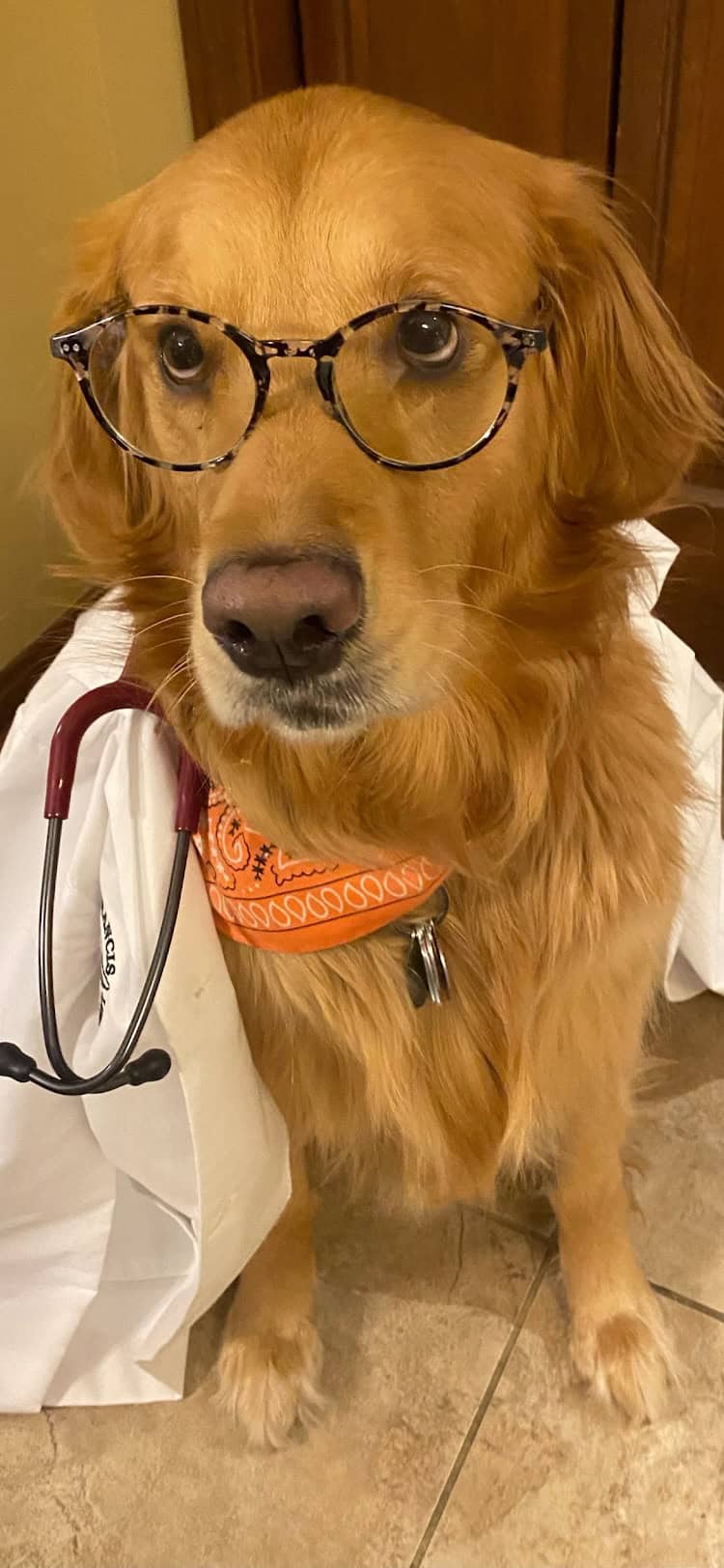
The Power of Holistic, Integrative Veterinary Care
Millie’s treatment didn’t involve amputation, chemotherapy, or aggressive surgical intervention.
Instead, her recovery plan included:
1. Targeted Nutritional Support
Diet plays a foundational role in inflammation and joint health. Millie’s meals were adjusted to reduce inflammatory triggers and support musculoskeletal healing.
2. Strategic Supplementation
Joint-supporting nutrients, anti-inflammatory compounds, and cellular repair supplements were introduced to strengthen connective tissue and promote mobility.
3. Therapeutic Injections
Supportive injections helped reduce inflammation and accelerate joint recovery.
4. Controlled, Increased Activity
Rather than restricting movement entirely, structured activity was introduced to build strength safely and restore mobility.
This integrative combination addressed the root cause of her symptoms—not just the outward presentation.
And the results were remarkable.
Millie’s Comeback
Here’s what her family shared:
“Through your compassionate, holistic care—including dietary changes, supplements, injections, and increased activity—Millie has returned to her bouncing, energetic self. In fact, she can’t wait to go outside despite the ice and snow, and she practically drags me down the street!”
From a dog facing leg amputation…
To a dog dragging her owner joyfully down snowy sidewalks.
That transformation wasn’t luck.
It was the result of:
- Careful reassessment
- A willingness to question assumptions
- A comprehensive treatment strategy
- And a veterinary philosophy centered on whole-body wellness
For Kyle and Ann, the experience was life-changing:
“We are so thankful we made the trip from Erie. Dr. Carol, you are a truly amazing veterinarian, and you saved Millie’s life.”
Why Second Opinions Matter in Veterinary Medicine
Millie’s story isn’t about discrediting veterinarians. It’s about recognizing that medicine—human or animal—is complex.
Symptoms can overlap.
Inflammation can mimic serious disease.
Imaging can be misinterpreted.
And sometimes, rare diagnoses are assumed before common causes are fully explored.
A second opinion is not an act of distrust—it’s an act of advocacy.
Especially when:
- A major surgery is recommended
- Amputation is advised
- A cancer diagnosis is made
- Treatment feels rushed or unclear
Seeking another evaluation can provide clarity, options, or confirmation. In Millie’s case, it provided a completely different path forward.
The Difference Between Symptom Suppression and Root-Cause Healing
One of the most powerful aspects of Millie’s recovery was the shift from crisis intervention to root-cause treatment.
Amputation would have permanently altered her life—physically and emotionally.
Instead, by identifying that her condition stemmed from leg and joint dysfunction rather than malignancy, her care focused on:
- Reducing inflammation
- Strengthening supportive tissues
- Improving mobility
- Enhancing overall vitality
This is the core principle of integrative veterinary medicine:
Treat the whole animal, not just the diagnosis.
When nutrition, supplementation, and targeted therapies work together, the body often responds in extraordinary ways.
How Pet Parents Can Advocate for Their Dogs
Millie’s story offers important lessons for every pet owner:
Ask Questions
If something feels unclear, ask for explanation. A good veterinarian welcomes thoughtful questions.
Request Records
Diagnostic images, lab results, and reports can be reviewed by another professional.
Consider Holistic Evaluations
Pain, inflammation, and metabolic imbalance can create symptoms that resemble more serious disease.
Trust Your Instincts
You know your pet. If the diagnosis doesn’t align with what you’re seeing at home, explore further.
Act — But Don’t Panic
Urgency doesn’t always mean emergency. Take the time necessary to feel confident in your decision.
A Message to Fellow Pet Lovers
Millie’s family shared their story so others might benefit from it. Their gratitude was clear:
“We cannot thank you enough for your exceptional care.”
What could have been a devastating surgical outcome became a joyful recovery.
Today, Millie is:
- Running
- Playing
- Dragging her owner down snowy streets
- Living fully on all four legs
And that is the true victory.
Supporting Joint Health Before Problems Escalate
Many dogs—especially active breeds and aging companions—develop joint issues long before they show obvious symptoms.
Proactive strategies can include:
- Anti-inflammatory nutrition
- High-quality joint supplements
- Omega-3 fatty acids
- Mobility-support injections
- Structured exercise programs
Products formulated specifically for joint support and inflammation management can make a significant difference in long-term quality of life. Integrative protocols often combine targeted supplements with dietary strategies to prevent minor inflammation from becoming major dysfunction.
Early intervention is always easier—and less invasive—than late-stage correction.
The Bigger Takeaway
Millie’s story is about hope—but it’s also about discernment.
Medicine is powerful.
Surgery is life-saving when truly needed.
But not every severe diagnosis is final.
Sometimes, healing requires:
- A different lens
- A broader evaluation
- And a practitioner willing to look deeper
For Millie, that difference meant keeping her leg—and reclaiming her joy.
And for her family, it meant knowing they made the right decision at exactly the right time.
If Your Pet Has Received a Serious Diagnosis
If you are facing a difficult veterinary decision, consider exploring integrative options. A comprehensive evaluation may reveal additional pathways to healing.
Because sometimes, the most life-changing decision you can make…
is simply asking one more question.
And as Millie’s story proves, that question can make all the difference.