


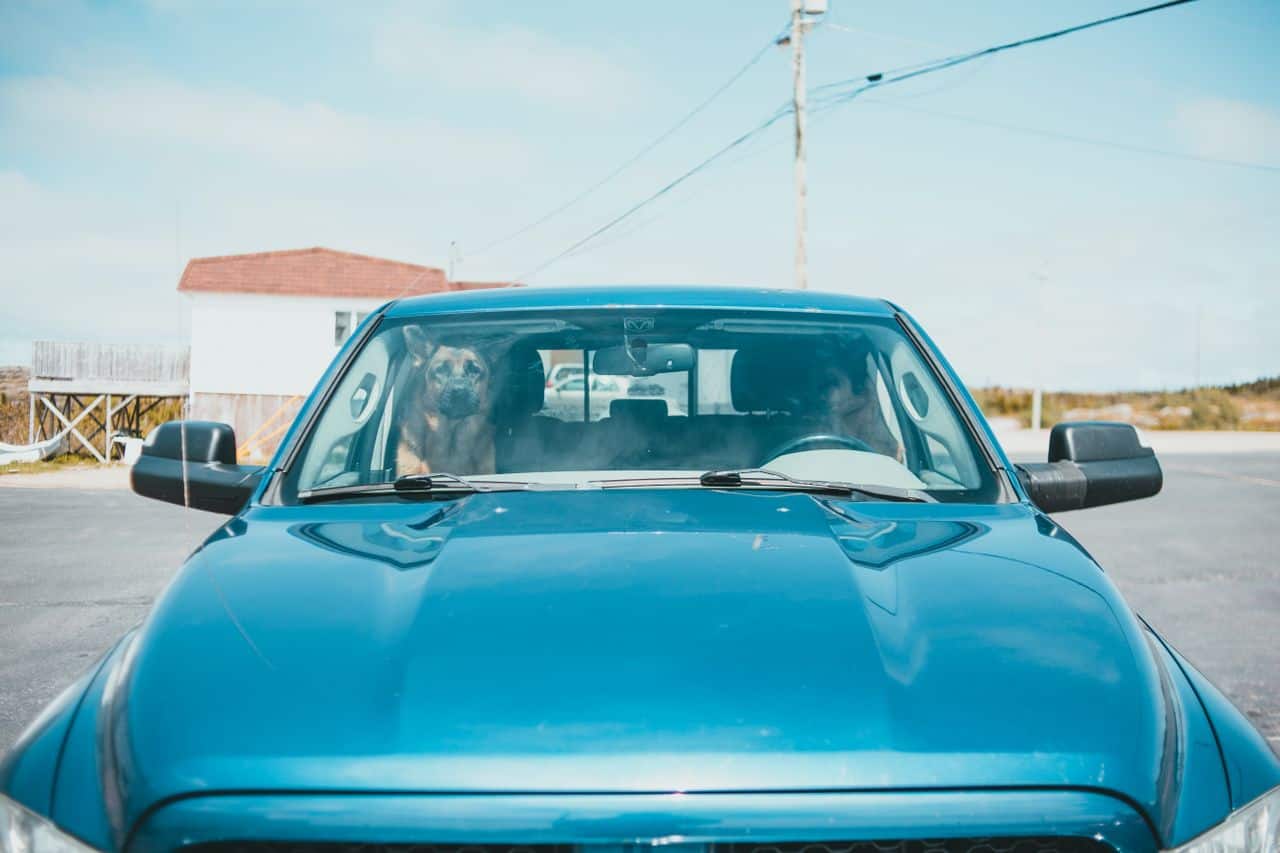
As temperatures rise during the summer months, one of the most dangerous mistakes pet owners can make is leaving their dog unattended in a parked vehicle. Even when outdoor temperatures seem mild, the interior of a car can quickly become an oven, placing dogs at serious risk of heatstroke, organ failure, and death.
Every year, countless pets suffer from heat-related emergencies that could have been prevented. Understanding the dangers of hot cars and recognizing the signs of heatstroke can help save your dog’s life.
Why Parked Cars Are So Dangerous for Dogs
Many pet owners mistakenly believe that leaving the windows slightly open or parking in the shade will keep their dog safe. Unfortunately, these measures provide little protection.
A parked vehicle acts like a greenhouse, trapping heat and causing temperatures inside the car to rise rapidly. Studies have shown that on a day when the outside temperature is only 70°F (21°C), the interior of a vehicle can exceed 100°F (38°C) within 15 to 20 minutes. On hotter days, temperatures can soar well above 120°F (49°C).
Even when parked in the shade, the sun’s position changes throughout the day, and ambient heat continues to accumulate inside the vehicle. Cracked windows do little to reduce the temperature increase.
For dogs, this environment can quickly become deadly.
Why Dogs Are More Vulnerable to Heat
Unlike humans, dogs do not have sweat glands distributed throughout their bodies to help regulate temperature. Instead, they rely primarily on panting to release excess heat.
When environmental temperatures become too high, panting becomes ineffective. As a dog’s body temperature rises, the cardiovascular and respiratory systems become overwhelmed. Internal organs begin to suffer damage, and the body’s normal cooling mechanisms fail.
Certain dogs face an even greater risk of heat-related illness, including:
- Puppies and senior dogs
- Overweight or obese dogs
- Dogs with heart disease
- Dogs with respiratory conditions
- Dogs with thick coats
- Dogs with mobility issues
- Brachycephalic (flat-faced) breeds
Flat-faced breeds such as Bulldogs, French Bulldogs, Pugs, Boston Terriers, Boxers, and Shih Tzus have shortened airways that make breathing less efficient. Because they already struggle to cool themselves through panting, they are particularly susceptible to heatstroke.
Understanding Heatstroke in Dogs
Heatstroke occurs when a dog’s body temperature rises to dangerous levels, generally above 104°F (40°C). Once body temperature reaches 106°F (41.1°C) or higher, life-threatening damage to organs and tissues can occur rapidly.
Heatstroke is considered a veterinary emergency. Without immediate treatment, permanent organ damage or death can occur within a short period.
Affected organs may include:
- Brain
- Heart
- Lungs
- Liver
- Kidneys
- Gastrointestinal tract
Blood clotting abnormalities and severe inflammation can also develop, creating additional complications.
Signs of Heatstroke in Dogs
Early recognition is critical because prompt intervention significantly improves the chances of survival.
Early Signs
Watch for:
- Heavy panting
- Rapid breathing
- Excessive drooling
- Thick or sticky saliva
- Bright red gums
- Increased thirst
- Restlessness or anxiety
- Weakness or lethargy
Moderate Signs
As heatstroke progresses, symptoms may include:
- Difficulty standing
- Stumbling or unsteady walking
- Disorientation
- Glassy eyes
- Vomiting
- Diarrhea
- Increased heart rate
- Labored breathing
Severe Signs
Advanced heatstroke can cause:
- Pale, white, gray, or blue gums
- Collapse
- Seizures
- Loss of consciousness
- Coma
- Death
If your dog displays any of these symptoms, seek veterinary care immediately.
What To Do If You Suspect Heatstroke
If you believe your dog is suffering from heatstroke, every minute matters.
Step 1: Remove Your Dog From the Heat
Move your dog to a cool, shaded, or air-conditioned area immediately.
Step 2: Begin Cooling Safely
Use cool (not ice-cold) water to wet your dog’s body.
Focus on:
- Paws
- Belly
- Groin area
- Armpits
You may also use cool, wet towels and fans to help lower body temperature.
Step 3: Offer Water
If your dog is conscious and able to drink, offer small amounts of cool water. Do not force water into your dog’s mouth.
Step 4: Contact a Veterinarian Immediately
Even if your dog appears to improve, veterinary evaluation is essential. Internal damage may continue developing even after the dog seems normal.
Avoid These Common Mistakes
Do not:
- Use ice baths
- Apply ice directly to the skin
- Force-feed water
- Delay veterinary care
Rapid cooling with ice can constrict blood vessels and interfere with effective heat dissipation.
Prevention Is the Best Protection
The safest rule is simple:
Never leave your dog unattended in a parked vehicle, even for a few minutes.
Many tragic incidents occur when owners run a quick errand and underestimate how quickly temperatures can rise.
Summer Safety Tips for Dog Owners
To protect your dog during warm weather:
- Leave pets at home when running errands.
- Walk dogs during cooler morning or evening hours.
- Provide access to fresh water at all times.
- Ensure adequate shade outdoors.
- Avoid strenuous exercise during hot weather.
- Use cooling mats, cooling vests, or fans when appropriate.
- Monitor high-risk dogs closely.
- Check pavement temperatures before walks.
If the pavement is too hot for your hand, it is too hot for your dog’s paws.
What If You See a Dog Locked in a Hot Car?
If you encounter a dog showing signs of distress inside a parked vehicle:
- Note the vehicle’s make, model, and license plate number.
- Attempt to locate the owner immediately.
- Contact local law enforcement or animal control.
- Follow local laws regarding intervention.
Many regions have laws that prohibit leaving pets in dangerous conditions and may allow authorities to remove animals from vehicles when necessary.
The Emotional Impact of Heatstroke
Heatstroke emergencies are devastating because they are almost entirely preventable. Many owners who lose a pet to heat-related illness report believing they would only be gone for a few minutes.
Unfortunately, heatstroke develops much faster than most people realize.
By spreading awareness and practicing responsible pet care, dog owners can help prevent needless suffering and save lives.
Final Thoughts
A parked car can become deadly for a dog in a surprisingly short amount of time. Cracked windows, shade, and mild outdoor temperatures do not provide adequate protection.
Heatstroke is a medical emergency that can lead to irreversible organ damage and death. Recognizing the warning signs and acting quickly can make the difference between life and death.
This summer, remember the safest choice is always to leave your dog at home when errands require leaving your vehicle. A few minutes of convenience are never worth risking your best friend’s life.
Frequently Asked Questions
How hot does a car get for a dog?
Even on a 70°F (21°C) day, the interior temperature of a parked vehicle can exceed 100°F (38°C) within 15 to 20 minutes. On warmer days, temperatures can quickly reach dangerous levels above 120°F (49°C).
Is it safe to leave windows cracked for my dog?
No. Cracked windows provide very little cooling benefit and do not prevent dangerous temperature increases inside a vehicle.
How long can a dog safely stay in a parked car?
There is no universally safe amount of time to leave a dog unattended in a parked vehicle during warm weather. Temperature, humidity, vehicle size, and sun exposure can all affect risk.
Which dogs are most susceptible to heatstroke?
Flat-faced breeds, puppies, senior dogs, overweight dogs, and pets with heart or respiratory conditions are at the highest risk.
What is the first sign of heatstroke in dogs?
Heavy panting, excessive drooling, bright red gums, and restlessness are often among the earliest signs.
Can a dog recover from heatstroke?
Yes, some dogs recover fully if treated quickly. However, severe heatstroke can cause permanent organ damage or death, even with treatment.
Should I use ice water to cool an overheated dog?
No. Cool water is recommended. Ice water can constrict blood vessels and may slow the body’s ability to release heat.
When should I call a veterinarian?
Immediately. Any dog showing signs of heatstroke should receive prompt veterinary attention, even if symptoms appear to improve after cooling.
References
- American Veterinary Medical Association (AVMA) – Pets in Vehicles
- https://www.avma.org/resources-tools/pet-owners/petcare/pets-vehicles
- Provides guidance on the dangers of leaving pets in parked vehicles and explains how quickly temperatures rise.
- Merck Veterinary Manual – What to Do in a Dog or Cat Emergency
- https://www.msdvetmanual.com/special-pet-topics/emergencies/what-to-do-in-a-dog-or-cat-emergency
- Includes heatstroke symptoms and emergency response recommendations.
- Cornell University Riney Canine Health Center – Heatstroke: A Medical Emergency
- https://www.vet.cornell.edu/departments-centers-and-institutes/riney-canine-health-center/canine-health-information/heatstroke-medical-emergency
- Discusses risk factors, symptoms, treatment, and prevention.
- Royal Veterinary College (RVC) – Heatstroke in Dogs and Cats
- https://www.rvc.ac.uk/small-animal-vet/teaching-and-research/fact-files/heatstroke-in-dogs-and-cats
- Evidence-based information on early warning signs and prevention.
- FDA – Travel Training for You and Your Pets
- https://www.fda.gov/animal-veterinary/animal-health-literacy/travel-training-you-and-your-pets
- Includes hot-car safety information and temperature data.