
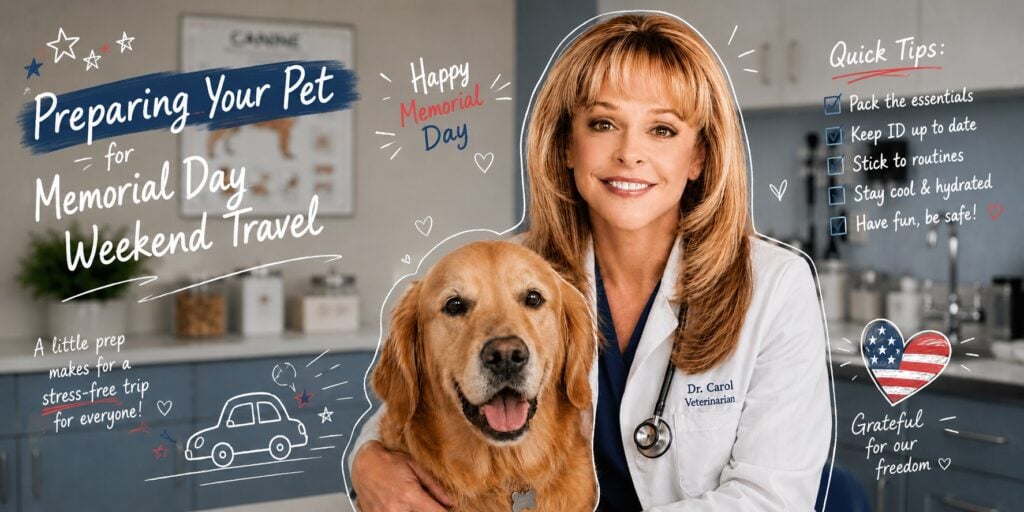
Emergency veterinary visits spike during Memorial Day weekend. Veterinarians document increased cases from preventable hazards including toxic foods, heatstroke, and anxiety-related incidents [4]. Nearly half of pet owners bring their dogs or cats along for summer travel [7], making proper safety protocols essential during this busy holiday period.
Memorial Day signals the unofficial start of summer [4]. Hot pavement burns paws within minutes. Dehydration strikes quickly in rising temperatures. Fireworks trigger severe anxiety responses. BBQ foods pose immediate toxic threats to curious pets exploring party areas.
Pet owners face specific challenges during Memorial Day celebrations. Travel preparation requires updated identification and essential supplies. Food hazards demand constant vigilance around grills and garbage areas. Heat protection becomes critical as temperatures climb. Stress management helps pets handle fireworks and crowd anxiety. These safety measures prevent emergency visits and protect furry companions throughout holiday activities.
Key Takeaways
Memorial Day weekend presents distinct pet safety challenges. Proper preparation protects furry companions during holiday celebrations.
• Update identification before traveling – Verify microchip registry information and add temporary tags with destination details for quick reunions if pets get lost
• Secure all BBQ foods and trash – Keep toxic items like onions, grapes, chocolate, and corn cobs away from pets; feed them before parties to reduce begging
• Protect against heat dangers – Never leave pets in cars, test pavement temperature with your hand, and provide constant shade and fresh water access
• Create safe spaces for fireworks – Bring pets indoors early, use anxiety wraps or calming products, and provide background noise to mask loud sounds
• Pack essential supplies – Bring extra food, medications, first aid kit, and familiar comfort items to reduce travel stress and handle emergencies
Veterinary emergency cases increase significantly during Memorial Day weekend. These preventive measures avoid costly and dangerous situations. Pet owners who plan ahead protect their companions from heat stroke, toxic foods, and fireworks anxiety while enjoying holiday activities.
Preparing Your Pet for Memorial Day Weekend Travel
Update ID Tags and Microchip Information
Verify your pet’s ID tag displays current contact information before departure. A temporary tag with destination address and phone number provides additional protection during travel.
Microchip effectiveness depends entirely on current registry data. Veterinary teams scanning lost pets encounter outdated contact details and disconnected phone numbers that prevent reunions. The AAHA’s Microchip Registry Lookup Tool allows owners to verify information by entering the pet’s microchip number [1]. The registry displays which company maintains your pet’s data, enabling updates to name, address, phone number, email, and veterinarian contact details [1]. Adding an alternate contact increases reunion chances when pets wander off [1].
Pack Essential Pet Supplies
Pack adequate amounts of your pet’s regular food for the entire trip, plus extra supplies for potential delays or limited store hours [8]. Diet changes combined with travel stress trigger digestive upset [9]. Collapsible bowls simplify transport alongside bottled water or refillable travel bottles [8].
Medications require careful planning with extras for unexpected delays [9]. Essential first aid supplies include gauze, antiseptic wipes, tweezers, and veterinary contact information [9]. Waste bags, grooming wipes, and cleanup products handle travel necessities [8]. Familiar comfort items like favorite blankets or toys reduce anxiety in unfamiliar environments [2].
Check Pet-Friendly Accommodations and Policies
Pet policies vary significantly between accommodations. Properties often restrict specific breeds or impose 50-pound weight limits per pet [6]. Fees vary widely with nightly charges or one-time cleaning fees for extended stays [6]. Confirm maximum pet numbers per room and breed restrictions before booking [9].
Schedule a Pre-Trip Vet Visit
Wellness examinations scheduled one month before departure allow proper health assessment [8]. Veterinarians evaluate illness signs, verify current vaccinations, and recommend destination-specific flea, tick, and heartworm preventives [5]. Interstate travel or flights require health certificates [5]. These visits provide opportunities to discuss anti-anxiety medications for pets experiencing significant travel stress [8].
Memorial Day BBQ and Food Safety Tips
Keep Pets Away from Toxic Foods
Memorial Day barbecues present significant health risks to pets. Onions and garlic destroy red blood cells, leading to anemia within days of consumption. Grapes and raisins cause acute kidney failure with no known safe dose. Corn cobs lodge in intestinal tracts, requiring emergency surgical removal. Cooked bones splinter into sharp fragments that puncture digestive organs. Chocolate contains theobromine, which pets cannot metabolize. Alcohol affects pets at much lower doses than humans. Avocado contains persin, toxic to dogs and cats. Xylitol triggers massive insulin release, causing hypoglycemia and liver damage within hours.
Hot dogs present deceptive dangers to pet health. A single hot dog delivers 100-150 calories, representing up to 25% of a small dog’s daily caloric needs [4]. For a 20-pound dog, consuming one hot dog equals a human eating three burgers in a single meal [7]. The excessive fat content triggers pancreatitis, while high sodium levels strain kidneys and cause dangerous dehydration.
Secure Trash and Food Prep Areas
Party trash becomes hazardous to curious pets. Wooden skewers pierce digestive tracts. Aluminum foil and plastic wrap cause intestinal blockages. Corn cobs create emergency situations requiring immediate surgical intervention. Heavy, secure trash containers with tight-fitting lids prevent access. Continuous cleanup throughout events reduces temptation. Designate a responsible person to monitor trash areas and conduct thorough area sweeps after guests depart.
Food preparation zones require pet barriers. Greasy drippings beneath grills attract pets but trigger stomach upset and pancreatitis. Baby gates create effective boundaries when needed.
Feed Your Pet Before the Party
Satisfied pets show reduced interest in human food. Regular meals before guest arrivals decrease begging behaviors and food theft attempts.
Safe Treat Alternatives for Pets
Plain, unseasoned chicken, turkey, or lean beef offer safe options in small portions. Fresh vegetables including seedless watermelon, carrots, and cucumber slices provide healthy alternatives. Pet treats should comprise no more than 10% of daily caloric intake [4]. Designated treat containers allow guests to offer approved snacks instead of dangerous table scraps.
Protecting Your Pet from Heat and Outdoor Hazards
Recognize Signs of Heatstroke and Dehydration
Heatstroke advances rapidly and proves fatal within an hour [8]. Pet owners must monitor for excessive panting, drooling, disorientation, lethargy, vomiting, or collapse [9]. Normal canine and feline body temperature ranges from 100.5 to 102.5°F [6]. Body temperatures exceeding 104°F indicate heat stress. Readings above 106°F demand immediate emergency veterinary intervention [8].
Dehydration presents through sunken eyes, dry nasal and gum tissues, reduced skin elasticity, and labored panting [5]. Relocate affected animals to cool environments immediately. Provide cool water rather than ice. Contact veterinary professionals without delay [9].
Never Leave Pets in Parked Cars
Car interiors heat up by an average of 40°F per hour [8]. Vehicles reach 110°F within twenty minutes on 70°F days [3]. Interior temperatures exceed 120°F despite cracked windows or shaded parking [10]. These conditions cause brain damage, organ failure, and death [9]. Thirty-two states maintain laws addressing animals confined in vehicles under dangerous conditions [11].
🇺🇸 Memorial Day Weekend Sale at Dr. Carol’s Online Store 🐾 Stock up on Dr. Carol Osborne’s trusted wellness formulas, supplements, immune support, joint care, and anti-aging essentials for dogs and cats. Shop the Memorial Day Weekend Sale now at DrCarol.com before these special offers disappear.
Protect Paws from Hot Pavement
Pavement temperatures reach 125°F when air temperature hits 80°F [12]. Test surface heat with your palm before walks [9]. Surfaces too hot for human touch burn pet paws [13]. Schedule walks during early morning or late evening hours [10]. Dog booties offer protection once pets acclimate to wearing them [13]. Paw wax application before outdoor activities prevents thermal burns [14].
Provide Shade and Fresh Water
Solar positioning shifts shade patterns throughout the day [10]. Multiple shaded areas ensure continuous protection. Fresh, cool water must remain accessible constantly [9]. Position at least two water sources to prevent accidental spillage from eliminating hydration options [15].
Apply Pet-Safe Sunscreen
White and light-colored dogs experience elevated sunburn and skin cancer risks [16]. Apply pet-safe sunscreen containing SPF 15 or 30 to nose leather, ear tips, lips, groin, and abdominal areas [17]. Reapplication every four to six hours becomes essential, particularly following swimming [18]. Select fragrance-free formulations specifically labeled for pet use [17].
Managing Fireworks Anxiety and Loud Noises
Create a Safe Indoor Space
Pets require enclosed, quiet areas before fireworks begin. Dogs seek den-like spaces during stress responses. Choose bedrooms, closets, or familiar crates for anxious animals. Add their regular bedding, favorite toys, and items carrying your scent. Close windows and curtains to block flashing lights and reduce sound penetration.
Background noise masks the sharp acoustic contrast of fireworks. Television programming, fans, or white noise machines at moderate volume provide consistent sound barriers. Calming music designed specifically for pets offers another masking option. Your presence during stressful moments provides significant comfort for anxious animals.
Use Calming Products and Anxiety Wraps
Anxiety wraps apply gentle, constant pressure similar to therapeutic touch. Over 85% of dogs demonstrate measurable improvement in anxiety responses when using these products [19]. Test wraps before events to allow adjustment periods for proper fit and comfort.
Calming chews containing melatonin and chamomile reduce stress responses when administered two hours before firework displays begin. Pheromone products include dog-appeasing pheromones and Feliway for cats, available as sprays, diffusers, or collar applications. Treat-dispensing toys maintain engagement and distraction during noise events.
Keep Pets Secured During Fireworks Displays
Fireworks displays pose immediate safety risks for attending pets. Secure all doors, windows, and gates throughout the evening. Exercise pets earlier in the day to promote fatigue and reduce anxiety responses when loud sounds begin. Never transport pets to public firework events or outdoor displays.
Conclusion
Without a doubt, keeping your pets safe during Memorial Day weekend requires thoughtful preparation across travel, food hazards, heat protection, and fireworks anxiety. These preventable risks demand your attention, but the effort ensures your furry companions enjoy the holiday as much as you do. As long as you plan ahead and stay vigilant, you’ll create memorable experiences together. This Memorial Day Weekend, give your pets the gift of vibrant health by shopping the sale at DrCarol.com for trusted wellness formulas, supplements, and anti-aging essentials before these special offers disappear.
FAQs
Q1. What should I pack when traveling with my pet for Memorial Day weekend? Pack enough of your pet’s regular food for the entire trip plus extra, all necessary medications, collapsible bowls, bottled water, a basic first aid kit, waste bags, and familiar comfort items like their favorite blanket or toy. Sudden diet changes can cause digestive upset, so maintaining their normal routine is important.
Q2. Which BBQ foods are dangerous for pets during Memorial Day celebrations? Onions, garlic, grapes, raisins, corn cobs, cooked bones, chocolate, alcohol, avocado, and xylitol are all toxic to pets. Hot dogs are particularly dangerous due to their high fat and sodium content, which can trigger pancreatitis and kidney strain. Even one hot dog can represent up to 25% of a small dog’s daily caloric needs.
Q3. How hot does pavement get and when is it safe to walk my dog? On an 80°F day, pavement can reach 125°F. Test the surface with your hand first—if it’s too hot for you to hold comfortably, it’s too hot for your pet’s paws. Walk during early morning or late evening when temperatures are cooler, or use dog booties for protection.
Q4. What are the warning signs of heatstroke in pets? Watch for excessive panting, drooling, disorientation, lethargy, vomiting, or collapse. A pet’s normal temperature ranges from 100.5 to 102.5°F. Temperatures above 104°F signal heat stress, while anything over 106°F requires immediate emergency veterinary care.
Q5. How can I help my pet cope with fireworks anxiety during Memorial Day? Create a safe indoor space in a quiet, enclosed area with their bed and familiar items. Use background noise like a TV or white noise machine to mask fireworks sounds. Anxiety wraps like ThunderShirt and calming chews containing melatonin can help reduce stress. Keep all doors and windows securely closed, and never bring pets to fireworks displays.
References
[1] – https://www.vetcheckforpets.com/blog/memorial-day-pet-safety-tips-vetcheck-pet-urgent-care
[2] – https://www.petrelocation.com/blog/post/pet-travel-tips-for-memorial-day-weekend
[3] – https://www.chewy.com/education/dog/pet-parenting/holiday-pet-safety-tips-for-a-safe-memorial-day
[4] – https://www.aaha.org/resources/how-to-update-microchip-details-the-first-step-in-lost-pet-prevention/
[5] – https://www.leapsandbones.com/blog/2026/05/08/memorial-day-must-haves/
[6] – https://brownvethospital.com/blog/traveling-with-your-dog/
[7] – https://eaglecreek.com/blogs/articles/ultimate-dog-packing-list-what-to-pack-for-your-pet?srsltid=AfmBOorBnbElY-v3Vz-fpmeqjW55rqsbk1HOz8Nhx22m3zUZrOAQNVQn
[8] – https://www.stpeteshoreshotel.com/resort/pet-friendly-accommodations
[9] – https://walesanimalclinic.com/essential-guide-to-traveling-with-pets-health-certificates-and-pre-trip-plans/
[10] – https://www.avma.org/resources-tools/pet-owners/petcare/animal-travel-certificates-regulations-requirements/traveling-your-dog-cat
[11] – https://www.halocollar.com/blog/dog-nutrition/healthy-bbq-snacks-for-dogs/?srsltid=AfmBOoo0kJfI_guKwVLrNtZozJXkQA7UWeCSZxP3iMdPmU6TCxgQdAHV
[12] – https://www.vscot.com/site/blog/2021/06/30/bbq-for-dogs-cats-eat-safety
[13] – https://www.petmd.com/dog/conditions/systemic/heatstroke-dogs
[14] – https://hsdayton.org/2025/06/hot-weather-ahead-here-is-how-to-keep-pets-safe-in-heat/
[15] – https://www.vet.cornell.edu/departments-centers-and-institutes/riney-canine-health-center/canine-health-information/heatstroke-medical-emergency
[16] – https://twinpeaksvet.com/service/heatstroke-dehydration/
[17] – https://www.akc.org/expert-advice/health/dogs-in-hot-cars/
[18] – https://animalcare.sbcounty.gov/heat-protection-tips-for-pet-parents/
[19] – https://www.aspca.org/news/dangers-leaving-animal-hot-car-and-other-heat-related-hazards
[20] – https://www.petsmart.com/learning-center/dog-care/beat-the-heat-how-to-protect-your-dogs-paws-from-hot-pavement/A0125.html
[21] – https://www.akc.org/expert-advice/health/dog-paws-hot-pavement/
[22] – https://www.animalemergencysd.com/site/blog/2021/08/09/dog-paws-safe-hot-pavement
[23] – https://www.quora.com/How-can-pet-owners-ensure-that-their-animals-have-access-to-shade-and-water-when-outside-in-the-heat
[24] – https://epi-pet.com/products/epi-pet-4oz-sun-protector-sunscreen?srsltid=AfmBOopIlbHw4mwth2yZSrhYe7LD_aisVRRbMYxH89vAbsfwnrbTQyL9
[25] – https://veterinarypartner.vin.com/default.aspx?pid=19239&id=4952515
[26] – https://www.nbcnews.com/select/shopping/do-dogs-need-sunscreen-rcna152475
[27] – https://thundershirt.com/pages/fireworks?srsltid=AfmBOoo805kZAKqkVu5iHAd0TgSqgPAXKzoZXx968VTaQDVO5tuTNDD0