
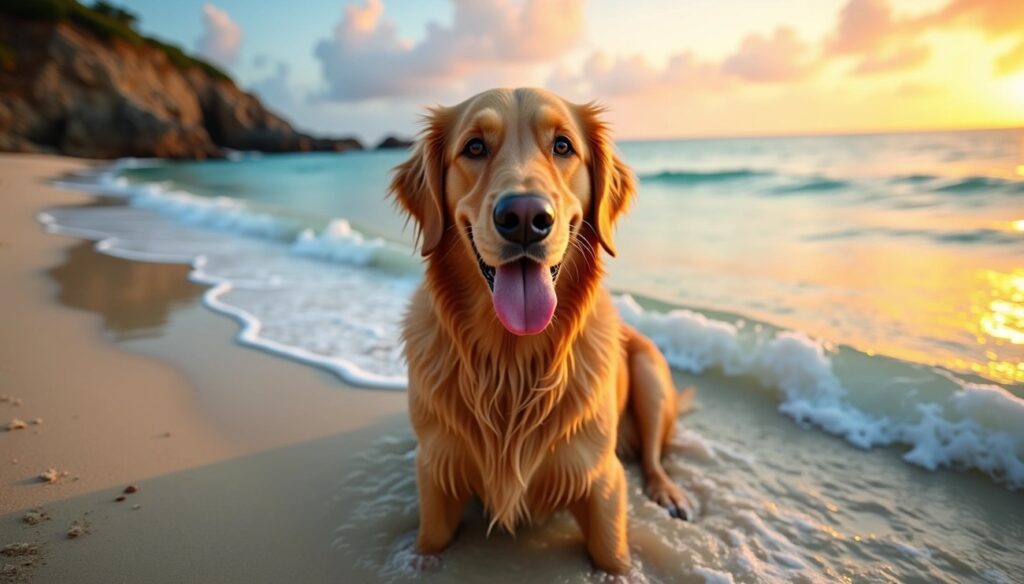
Dog bucket lists provide structured approaches to summer planning that benefit canine companions across all activity preferences. Beach enthusiasts, backyard explorers, and dogs who attend baseball stadiums for Bark in the Park nights where dogs are the real MVPs all require different considerations for optimal experiences.
Summer presents specific opportunities alongside seasonal challenges that demand careful preparation. This guide covers dog bucket list ideas featuring summer dog activities suitable for all ages, senior dog bucket list adventures, and rescue dog bucket list essentials designed for old dog bucket list planning.
The information includes safe activity planning protocols, heat protection methods, and personalized scheduling approaches that ensure dogs enjoy summer experiences while maintaining health and comfort standards.
Top Dog Bucket List Ideas for Summer 2026
Summer 2026 presents specific opportunities for dog bucket list completion. Coastal adventures and outdoor sporting events address diverse canine personality requirements.
Visit a dog-friendly beach
Dog-designated beaches offer optimal settings for water activities and socialization experiences. Huntington Dog Beach in California maintains true off-leash policies across one and a half miles of sand. Ocean Beach Dog Beach in San Diego holds recognition as one of the first off-leash dog beaches established in the U.S. Double Bluff Beach on Whidbey Island provides two miles of off-leash access with dog washing stations for Pacific Northwest visitors. Fort De Soto State Park in St. Petersburg features specialized Paw Playgrounds with size-separated areas for large and small dogs, including shade structures and dog shower facilities.
Go camping under the stars
Pet-friendly campgrounds accommodate well-behaved dogs at locations throughout the country. KOA campgrounds operate designated KampK9 areas featuring off-leash running space within fenced boundaries. Campground regulations typically require leashes measuring six feet or shorter, with developed sites accommodating multiple dogs per location. Essential packing items include dog food supplies, water containers, first-aid equipment, and current veterinary documentation.
Attend a baseball game bark night
MLB organizations conduct Bark at the Park events during regular season schedules. The Pittsburgh Pirates offer thirteen Tuesday home games with dog admission policies. The Miami Marlins host nine designated dog-friendly dates. Additional participating teams include the Detroit Tigers, Cleveland Guardians, and Seattle Mariners, each providing multiple canine-welcome games.
Host a dog picnic party
Puppy picnic organization requires dog-appropriate food items, water dispensing equipment, outdoor recreational toys including frisbees and tug options, plus cleanup materials. Location selection criteria includes adequate shade coverage, accessible water sources, and sufficient space for safe canine movement.
Try water sports and swimming
Dock jumping activities accommodate dogs with jump distances ranging from 2 feet for beginners to 30 feet for advanced participants. Paddleboarding and kayaking create bonding experiences when dogs wear proper life jackets and demonstrate basic command responses. Canine surfing competitions occur annually in locations such as San Francisco.
Explore hiking trails together
Wissahickon Valley Park in Philadelphia contains over 50 miles of challenging trails through forest and meadow terrain. Valley Forge National Historical Park provides 26 miles of authorized trail systems spanning 3,600 acres. State parks including Tyler and Ridley Creek near Philadelphia offer diverse landscape features with intersecting path networks.
Summer Dog Activities by Age and Background
Activity selection matches individual canine needs to ensure safe and enjoyable seasonal experiences for all dogs.
Senior dog bucket list activities
Older dogs require exercise approaches that support aging bodies while maintaining physical condition. Swimming stands out as a joint-friendly activity that reduces pressure on aging joints while strengthening muscle groups. Walking sessions work best when divided into shorter periods of 5 to 15 minutes on flat, even surfaces like grass or dirt trails. Temperature considerations favor early morning or evening outings during warmer months.
Indoor activities provide mental stimulation without physical stress during hot weather. Hide-and-seek games with treats, soft tug-of-war toys, and follow-the-leader movements around the house engage senior dogs appropriately. Simple strength exercises including sit-to-stand repetitions and step-ups onto low platforms help maintain muscle mass. Session duration should remain brief at 5 to 10 minutes.
Senior dogs benefit from at least 30 minutes of moderate exercise daily, distributed across multiple shorter sessions. Dogs should set their own pace, with owners monitoring for fatigue signs like excessive panting or movement reluctance.
Rescue dog bucket list essentials
Shared outdoor experiences accelerate bonding between rescue dogs and new families. Pet-friendly campgrounds offer nature experiences that build trust and connection. Beach activities allow running and sand play while respecting local regulations. Backyard water parties featuring kiddie pools or sprinklers provide cooling relief during hot days. Water-loving dogs enjoy boat trips when equipped with properly fitted life jackets.
First summer with your new dog
New dog adventures begin after complete vaccination schedules are finished. Yard practice walks prepare dogs before real-world outings. Veterinary appointments during the first week home establish care relationships and confirm vaccination status. These foundations support successful summer activity planning.
Get Your Dog or Cat Healthy, Happy & Summer-Ready
As the days get longer and temperatures rise, it’s the perfect time to refresh your pet’s health routine. Just like us, pets thrive with a seasonal reset—supporting energy, immunity, skin, and overall vitality before summer kicks in.
At Dr. Carol’s, we believe prevention is everything. A few simple changes now can help your pet feel their best all season long 🐾
🌿 1. Support Natural Detox & Vitality
Spring into summer with a gentle internal reset. Environmental toxins, processed foods, and seasonal allergens can build up over time.
A targeted detox helps:
- Support liver and kidney function
- Promote healthy digestion
- Boost natural energy levels
🐕 2. Strengthen Immunity Before Summer Stressors
Warmer weather brings more exposure—to bugs, allergens, travel, and outdoor environments.
Support your pet’s immune system to:
- Stay resilient against seasonal challenges
- Maintain optimal energy and mood
- Promote long-term wellness
✨ 3. Skin, Coat & Allergy Support
Shedding, itching, and hot spots can spike in summer months.
Now’s the time to:
- Nourish skin from within
- Promote a shiny, healthy coat
- Reduce seasonal irritation
❤️ 4. Heart, Joint & Energy Support
More walks, more play, more movement—summer is active season.
Support your pet’s:
- Cardiovascular health
- Joint flexibility and comfort
- Overall stamina and vitality
🥗 5. Refresh Nutrition & Hydration
Lighter, cleaner nutrition helps pets feel more energized in warmer weather.
Tips:
- Add fresh, whole food toppers
- Ensure constant access to clean water
- Avoid overfeeding during hot days
🌞 Summer Starts with Smart Prevention
Taking action now means fewer issues later. A proactive approach supports longevity, comfort, and quality of life for your pet.
🛍️ Featured Favorites for the Season
- Daily Wellness & Longevity Formulas
- Immune & Antioxidant Support
- Skin & Coat Essentials
- Digestive & Detox Blends
🐾 Your Pet’s Best Summer Starts Today
Give your dog or cat the support they deserve—naturally.
Shop Now & Prepare for a Healthy Summer →
Keeping Your Dog Safe During Summer Adventures
Safety protocols during summer dog activities protect canine health while maintaining enjoyment of dog bucket list adventures.
Protecting against heat stroke
Heat stroke occurs when dogs cannot regulate body temperature through panting mechanisms. Normal canine temperature ranges from 99 to 102.5 degrees Fahrenheit, with readings over 104 indicating heat stress. Temperatures exceeding 105 degrees signal heat exhaustion, while readings above 106 degrees require immediate emergency veterinary intervention.
Early warning indicators include excessive panting, red gum coloration, increased drooling, and shade-seeking behavior. Brachycephalic breeds including Pugs and Bulldogs face elevated risks due to shortened airways that compromise panting efficiency. Small breeds, short-legged dogs, overweight animals, and elderly canines require additional monitoring.
Heat stroke intervention begins with immediate relocation to shade. Apply cool water to the body, concentrating on neck, stomach, and thigh areas while avoiding the head. Position ice packs under front legs against the chest, provide drinking water, and obtain veterinary care regardless of symptom improvement.
Safe pavement walking times
Air temperatures of 85 degrees Fahrenheit produce asphalt temperatures of 135 degrees. The hand-test protocol involves placing your palm on pavement for ten seconds. Surface temperatures uncomfortable for human hands cause paw pad burns in dogs.
Schedule walks during early morning or late evening hours when surface temperatures decrease. Grass surfaces, dirt paths, or shaded trail systems provide safer alternatives to sun-heated concrete.
Hydration and water safety
Daily water requirements equal 1 ounce per pound of body weight. Portable water containers and frequent drinking opportunities become essential during outdoor activities. Swimming activities require properly fitted life jackets with chest and belly securing mechanisms. Unsupervised access to pools or lakes poses drowning risks.
Fireworks and loud noise management
Noise aversion affects nearly half of all dogs during firework displays. Safe space preparation includes interior room selection away from windows, white noise or calming music applications, and long-lasting treat distractions. Pre-firework exercise sessions help reduce evening anxiety. Fourth of July represents the highest day for missing dogs annually, making current ID tag and microchip verification essential.
Planning Your Dog’s Perfect Summer Schedule
Successful summer adventures require preparation protocols tailored to your dog’s unique personality and needs.
Creating your personalized bucket list
Activity identification forms the foundation of effective planning. Swimming enthusiasts require different preparation than hiking companions. Adventure planning benefits from balanced approaches that combine ambitious outings with simple activities to maintain varied experiences. Activity adaptation must align with individual age and energy considerations. Senior dogs respond better to gentle movement activities over strenuous exercise, while energetic young animals excel with active adventure planning. Dogs establish natural pacing patterns, and spontaneous opportunity recognition enhances planned schedules.
Packing essentials for adventures
Preparation protocols prevent complications during outdoor activities. Essential items include:
- Food supplies and collapsible bowls for water and meals
- Extra collar, leash, and current ID tags
- First aid kit containing gauze, bandages, hydrogen peroxide, tweezers, and thermometer
- Waste bags and grooming wipes
- Blankets or towels for comfort applications
- Recent photo and microchip information
- Dog booties for hot or rocky terrain protection
Camping expeditions require additional LED collar lights and extra food portions.
Finding dog-friendly locations near you
BringFido maintains access to over 500,000 dog-friendly hotels, restaurants, and attractions. Trail regulation research becomes essential, as national parks often restrict dogs while national forests provide access. Campground policies regarding leashes and designated areas require verification before arrival.
Conclusion
Summer 2026 presents numerous opportunities for creating memorable experiences with canine companions. Beach trips, camping adventures, and backyard water activities all require matching activities to each dog’s specific needs and abilities. Small initial experiences, prioritized safety during hot weather, and allowing dogs to guide activity pace establish successful foundations. Proper preparation combined with attention to heat protection results in summers filled with beneficial adventures for both dogs and their families.
Key Takeaways
Summer adventures with your dog require thoughtful planning that balances fun with safety, ensuring memorable experiences for both you and your furry companion.
• Tailor activities to your dog’s age and abilities – Senior dogs need low-impact exercises like swimming, while rescue dogs benefit from bonding experiences like camping trips.
• Prioritize heat safety during summer outings – Walk during cooler hours, test pavement temperature with your hand, and watch for heat stroke signs like excessive panting.
• Pack essential safety items for every adventure – Bring water bowls, first aid supplies, current ID tags, and waste bags to ensure safe and responsible outings.
• Start with your dog’s preferences when creating bucket lists – Swimming enthusiasts need different plans than hiking lovers; let your dog’s personality guide activity choices.
• Use resources like BringFido to find dog-friendly locations – Research trail regulations and campground policies beforehand, as rules vary significantly between locations.
Remember that the best summer adventures happen when you match activities to your dog’s unique needs while maintaining proper safety precautions. Whether it’s a simple backyard water party or an ambitious camping trip, the goal is creating positive experiences that strengthen your bond while keeping your companion healthy and comfortable.
FAQs
Q1. What is the 7 second rule for dogs and when should I use it? The 7 second rule helps determine if pavement is safe for your dog’s paws. Place your hand on the pavement for 7-10 seconds—if it feels too hot for your hand, it’s too hot for your dog’s paws. This is especially important when air temperatures reach 85°F, as asphalt can heat up to 135°F and cause burns.
Q2. How much water does my dog need during summer activities? Dogs require approximately 1 ounce of water per pound of body weight daily. During summer adventures, bring portable water bowls and offer frequent drinking opportunities, especially during active outings like hiking or beach visits to prevent dehydration.
Q3. What are the warning signs of heat stroke in dogs? Watch for excessive panting, red gums, drooling, and your dog seeking shade. A dog’s normal temperature ranges from 99-102.5°F, while anything over 104°F signals heat stress. Temperatures above 106°F require immediate emergency veterinary care.
Q4. What activities are best for senior dogs during summer? Senior dogs benefit from low-impact exercises like swimming, which is gentle on aging joints while strengthening muscles. Short walks of 5-15 minutes on flat surfaces, gentle indoor games like hide-and-seek with treats, and simple strength training exercises work well while respecting their physical limitations.
Q5. What essential items should I pack for summer dog adventures? Always bring food and collapsible bowls, extra leash and current ID tags, a first aid kit with bandages and thermometer, waste bags, blankets or towels, recent photos, microchip information, and dog booties for hot terrain. For water activities, include a properly fitted life jacket.