
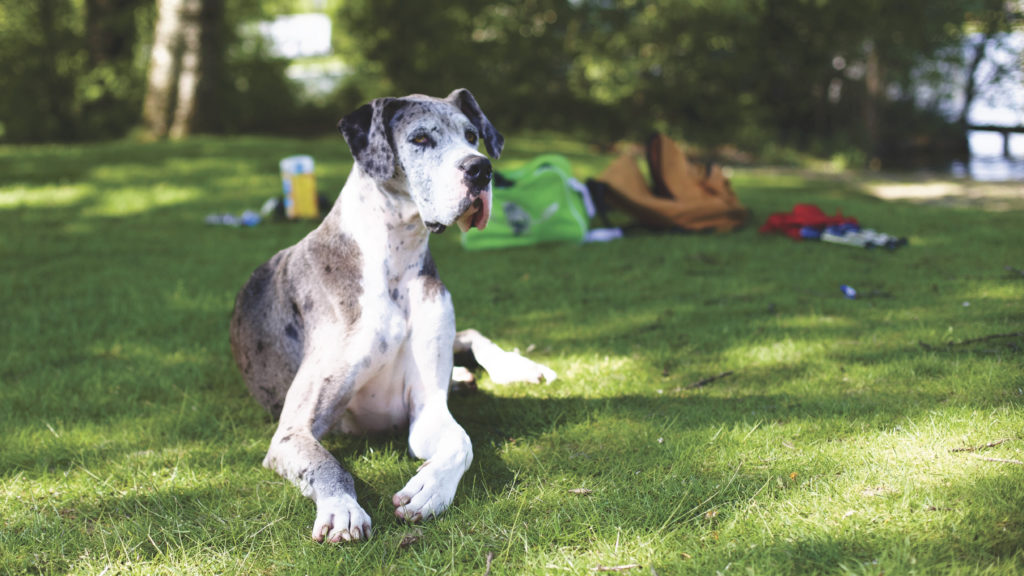
Dog Vomiting . Occasionally pets vomit. Vomiting that occurs every now and then in an otherwise healthy dog is generally not a cause for concern. By far the most common cause of vomiting in dogs is dietary indiscretion. Persistent vomiting, in dogs, with or without signs of illness such as appetite loss, depression, lethargy, diarrhea, or constipation can indicate a more severe problem and should be addressed. The dehydration, for example, which occurs due to the fluids lost in the vomitus, can lead to more serious problems if left untreated. Vomiting brings up a mixture of food, acids, and enzymes from the stomach which in certain cases can be lifesaving. When a dog vomits, you can see the abdominal muscles contracting, which helps differentiate vomiting from regurgitation, which occurs effortlessly, without muscle contractions.
Signs Of Dog Vomiting – Prior to vomiting:
- Excess salivation.
- Discomfort.
- Pacing and whining.
- Gurgling or loud stomach noises.
Causes of Dog Vomiting
- Eating bad food: garbage, excess fatty foods, and table scraps.
- Ingestion of foreign objects: bones, rubber balls, stones, sticks.
- Intestinal parasites: roundworms, especially in puppies.
- Viral infections: distemper, parvovirus, coronavirus.
- Diseases: diabetes, cancer and stomach ulcers.
- Poisons: household drugs (e.g. Aspirin and Tylenol), rat poison, antifreeze, pesticides.
- Motion sickness (occurs while traveling in the car).
- Stress/emotions: excess excitement or anxiety.
What you and your Vet can do!
- Vomiting must be differentiated from regurgitation, which is the spontaneous reflux of food before it reaches the stomach. Regurgitation occurs because of a problem in the esophagus like a constriction or an obstruction. Regurgitated food comes up immediately and looks exactly like it did when it was eaten. This is common in certain puppies and occurs when they initially begin eating solid food. German Shepard’s are prone. Regurgitation occurs effortlessly and often surprises the dog as much as the owner.
- With vomiting the general recommendation is to withhold food and water for ~8-12 hours. Giving food or water usually makes the vomiting worse. After that, offer a couple of ice cubes, then try small amounts of bland pureed chicken baby food, one teaspoon at a time. The next day create a bland diet using pureed chicken or turkey breast. Offer small amounts every few hours. On day three add cooked brown rice and raw chopped greens to provide bulk. Then, gradually begin to add your dog’s normal diet back into the bland diet in one-quarter increments over the next few days. Finally, decrease the number of feedings and increase the time interval between them until your dog is back on his normal diet and routine.
Remedies for Mild Vomiting
- Remedy #1: Mix half a cup of fresh minced parsley with one cup of water. Boil five minutes, strain, cool and add one teaspoon of honey. Give one tablespoon of the final solution every 10 minutes.
- Remedy #2: Pour two cups of boiling water over half a cup of fresh thyme or rosemary, infuse for 10 minutes, strain and cool. Give one teaspoon every 10 minutes.
- Remedy #3: Mix one tablespoon of honey into four cups of warm water and give one tablespoon at 15 to 30-minute intervals.
- Remedy #4: Make the tea out of chamomile or peppermint and offer small amounts.
- Remedy #5: Ginger is effective for vomiting due to motion sickness. If vomiting persists, see your vet. Your dog will need to be examined. An accurate history of the vomiting and a sample of the vomitus help determine the cause. Blood work and x-rays may help pinpoint the problem.
Warning
Persistent dog vomiting and/or vomitus with blood in it should be promptly addressed by your veterinarian. Foreign objects can irritate and/or cause an obstruction which can result in vomiting. Canine liver and kidney disease, as well as diabetes and cancer, may also be underlying problems.
Complimentary Treatments and Homeopathic Remedies
For moderate vomiting Nux vomica 6c (poison nut) can help one pellet every four hours until symptoms are gone. If there is no effect in 24 hours, try Pulsatilla 6c (windflower): one pellet every four hours until symptoms are gone. In each case, withhold food 10 minutes before and after treatment.